News & Stories
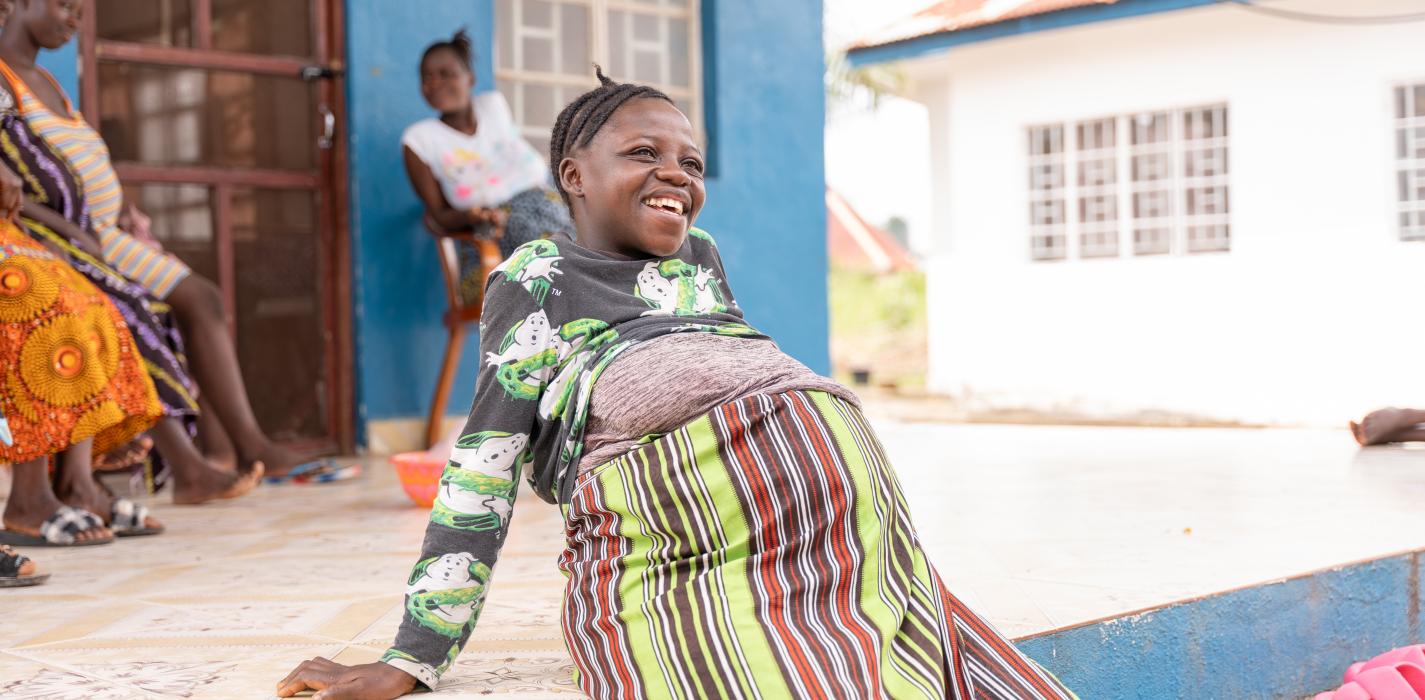

MDR-TB care combines treatment, nutrition, counseling, safe spaces, and follow-up support to help patients complete the long road to recovery.
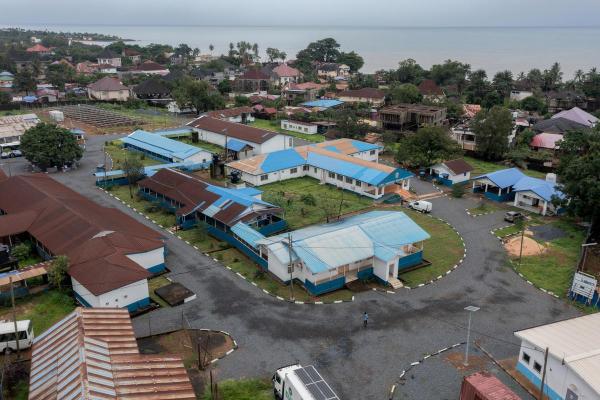
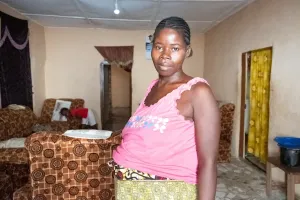
Mariama Alieu was heavily pregnant when she was admitted in June to Koidu Government Hospital in eastern Sierra Leone. The 30-year-old mother of four said she’d suffered ill health for more than a year without receiving the correct diagnosis and felt like she would “always have the flu.”
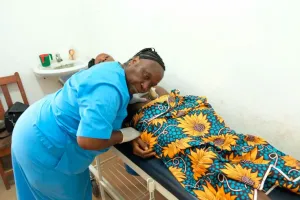
Leaning over the pregnant patient before her, Regina Korgbendeh touched the woman’s looming stomach and spoke softly in Kono, a dialect common in eastern Sierra Leone: “Thank you for this child.” Blessing an unborn baby is a custom strictly followed in communities throughout Kono District.

Mondeh Mansaray sketches the form of his favorite football player with swift, diligent movements of his pencil. Nothing can break his focus as he sits curled-up on a wooden stool and pores over the white page in front of him.

Mariama Kamara felt suddenly unwell upon coming home to her daughter and grandson one evening in August 2016. After walking the familiar dusty road home from the diamond mine where the 43-year-old worked in Sierra Leone’s Kono District, she sat down in the kitchen with a worsening headache and nausea.
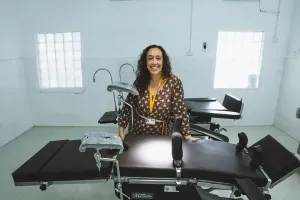
We sat down with Marta Lado to discuss what drew her to Sierra Leone in 2014, her experiences working with the Ministry of Health, and patients for whom she wishes she could have done more.
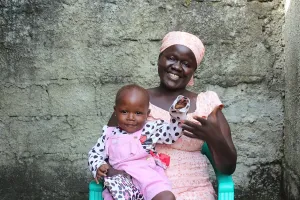
Upon learning she was pregnant in early 2017, Aminata Kebbie couldn’t stop smiling as she walked around her village in rural Kono District, Sierra Leone.
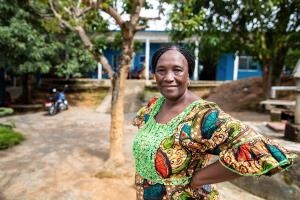
Walking around her clinic in the muggy heat, Gladys, 52, attracts a lot of attention. During the morning’s whirlwind of activity, people rush up to her from every direction: uniformed midwives, women with newborn babies strapped to their backs, heavily pregnant women.
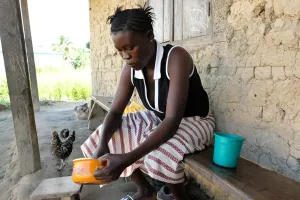
When 18-year-old Fanta Karoma found out she was pregnant, she was scared. It was her second pregnancy—her first child had been stillborn, after a complicated birth—and it was also bad timing.